
We mainly focus on municipal issues at Vision Zero Vancouver, but the Provincial government has a critical role to play in making our streets safe. Here are five evidence-based ideas the province can act on right now. For these interventions, we focused on ideas that can be put in place almost immediately, and that are cheap or even make money. There’s no excuse for delay.
Dramatically increase the number of intersection safety cameras
Study after study shows that automated speed and red light cameras reduce speeds and serious crashes.
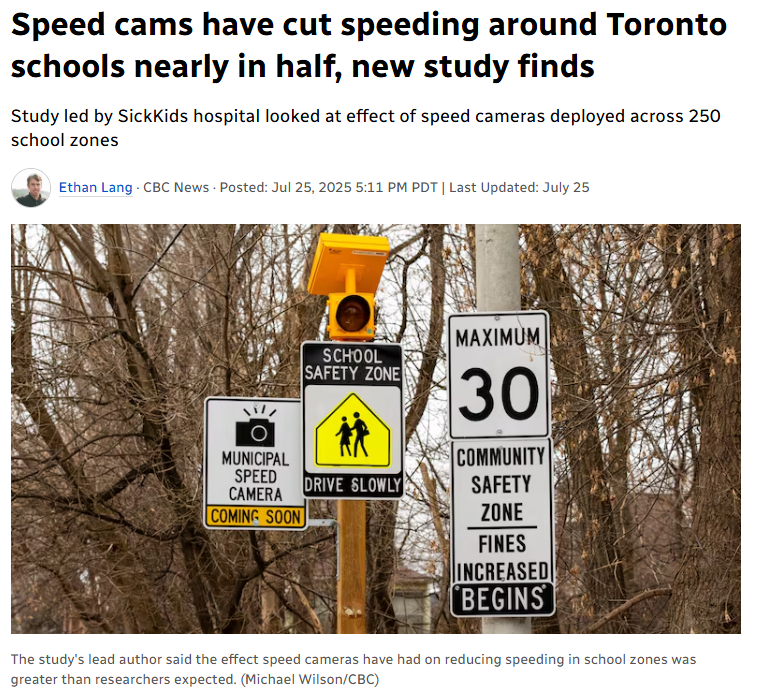
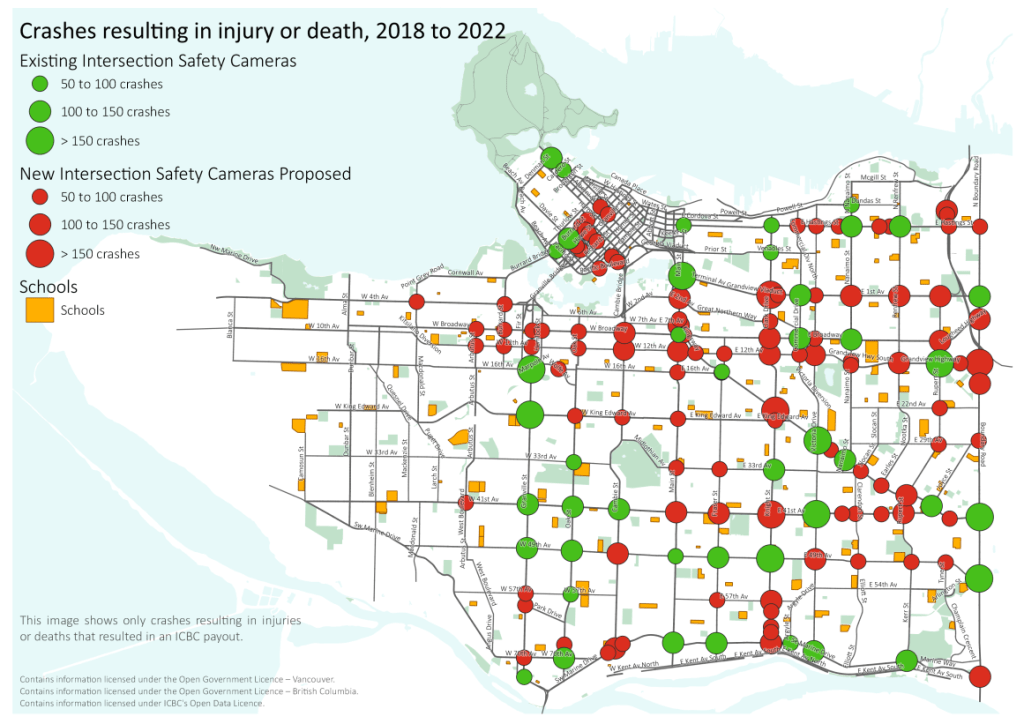
Yet BC only has 35 speed cameras and 105 red light cameras across the entire province. Cities like Victoria and Vancouver have requested cameras at every high-risk intersection. In Vancouver, we asked for cameras at all locations with over 100 crashes resulting in injury or death over a 5-year period (or 50 crashes if near a school).
Other cities show what’s possible. São Paolo recently lowered speed limits city-wide and installed cameras for enforcement, cutting road deaths by a third almost overnight. In BC, that would mean about 100 lives saved every year, and thousands of life-altering injuries prevented.
Even without a single ticket issued, these cameras pay for themselves in healthcare savings alone; and every life saved is priceless.
Allow municipalities to set their own default speed limits
Right now, the default speed limit on most roads across the province is 50km/h — a deadly speed. Many cities, including Victoria and Vancouver, want 30km/h on most streets, but the province doesn’t allow municipalities to set their own blanket speed limits.
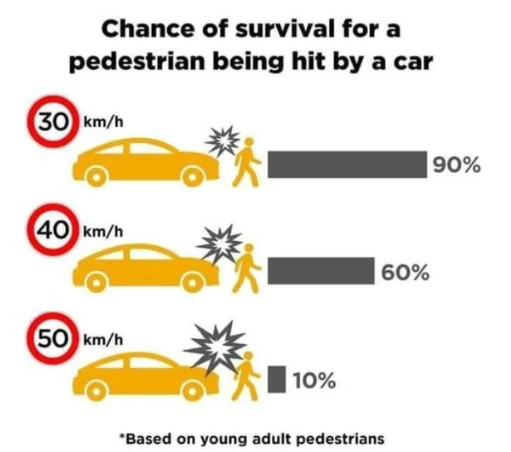
Instead, cities must post signs block by block. That’s why Vancouver is now spending a staggering $14 million dollars on signage alone, and rolling out speed reductions in stages because it can’t afford to do it all at once. The province could fix this tomorrow with the stroke of a pen, saving lives and millions of dollars.
Bring back and expand the e-bike rebate
When BC launched its e-bike rebates in 2023, the $6.5 million fund was exhausted in under a day, and people are still waiting. We’ve already written about the benefits of this program. A UBC study found that recipients reduced their car use by 30-40%. Fewer car trips mean cleaner air, healthier people, and safer streets.
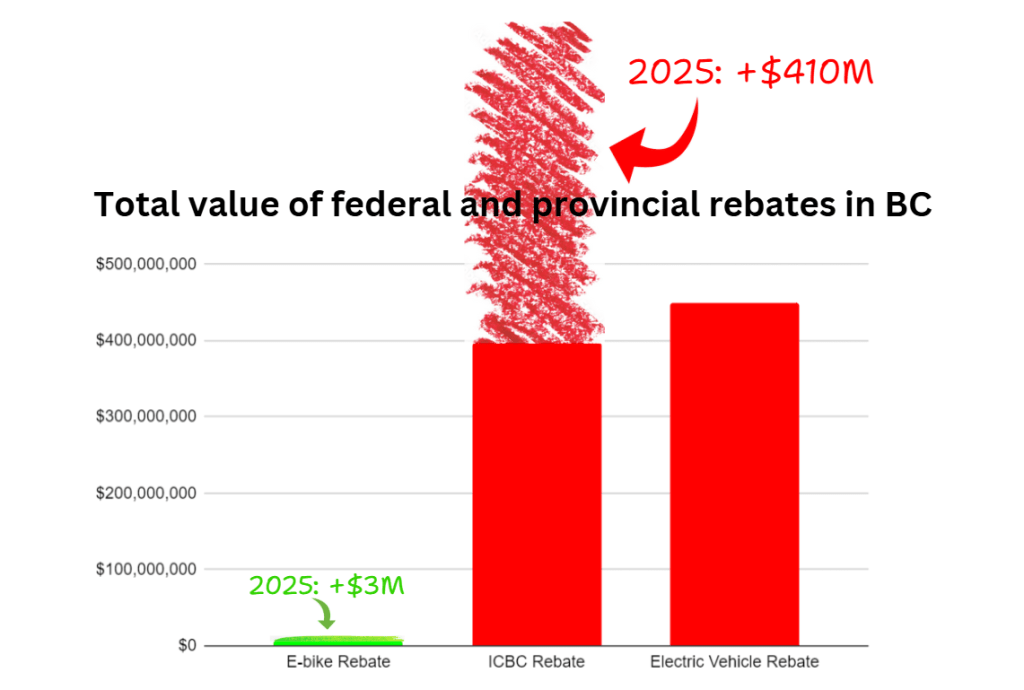
When we wrote about the e-bike rebate in 2024, we noted that federal & provincial subsidies for car drivers totaled over $800 million. In 2025, BC put another $3 million into the e-bike rebate program to get a few more people off the waitlist (great!) But they also handed out another $410 million in ICBC rebates, just to give every driver $110. That’s a colossal waste of money. Let’s put it to better use.
Help get vehicle size under control
We’ve all noticed it: cars and trucks keep getting bigger. Physics tells us why that’s a problem: momentum is mass times speed, which means crashes are getting deadlier.
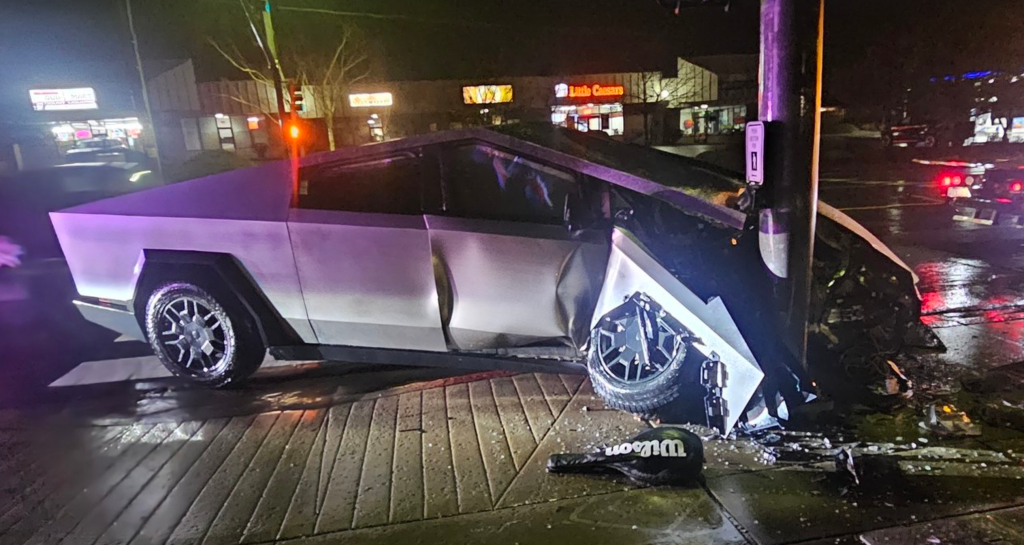
Vehicle size standards are a federal issue, but the province can act through ICBC. Oversized vehicles for personal use should come with very high registration fees and insurance premiums. This isn’t punitive; these vehicles are deadlier, and should be treated as such.
Provide permanent and stable transit funding
Every few years, the story repeats itself: TransLink faces a fiscal cliff, and is barely bailed out at the last minute. Higher levels of governments are great at giving capital funding for transit projects (like SkyTrain expansions), but bad at providing stable operating funds.
That should change. Transit is our best tool for reducing car dependence, cutting emissions, and making roads safer. A stable system needs secure, long-term operating funding.
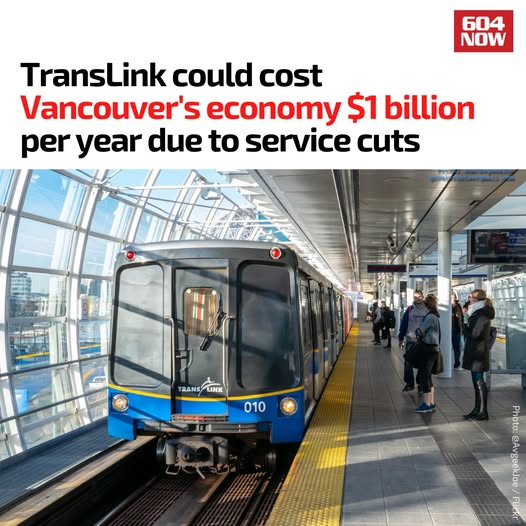
We’re not too bothered by which tool the province uses to fund transit: repurpose the ICBC rebates (see above), revive the carbon tax, try congestion pricing or a vehicle levy, or add a tiny property tax increase. The cost of not funding transit far outweighs the cost of doing it right. We deserve a stable transit system that can plan long-term instead of lurching from crisis to crisis. (This applies to transit systems province wide, not just TransLink!)
In conclusion
You might notice that of these ideas, one is free (allow cities to set their own speed limits), and two actually make money (intersection safety cameras, fees for oversized vehicles). Only two require spending at all: the e-bike rebate, which could fulfill all demand with only a fraction of existing driver rebates; and stably funding transit, which we technically already do, just in a very slapdash manner. What’s more, four of these ideas are purely legislative and can be implemented overnight. The other (intersection safety cameras) can be done in months. These are easy wins.
With 300 deaths and tens of thousands of injuries every year, the government is failing its most basic duty: keeping people safe.
All these ideas will save lives. We will support any provincial party that takes them up.
 Vision Zero Vancouver