
Written by Vision Zero volunteer Kegan.
Over the next two months, Vancouver will welcome 350,000 visitors for the 2026 World Cup, so it’s an ideal time to reflect on what makes a city safe for tourists.
“The driving there’s terrible, but at least it’s safe!” How often have you heard this about a travel destination? What people tend to mean by “safe” is that you’re unlikely to be mugged, murdered, or caught in a terrorist attack. We overlook the fact that the most likely way you will die when you travel is in an automobile crash—a fact well documented in travel research.
Our “car blindness” becomes even more pronounced, in other words, when we get on that plane and go away.
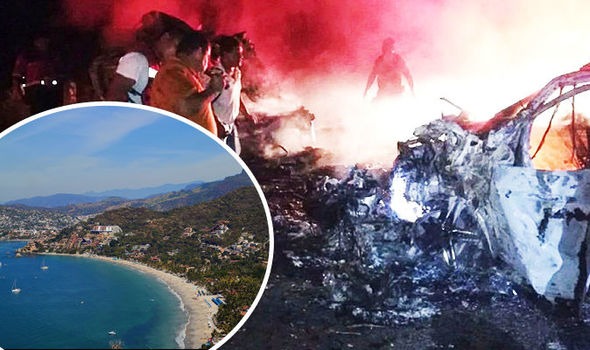
This was brought home to me on a recent trip to Mexico, another host country for the World Cup. I happened to be in Oaxaca state on the day that the cartel leader known as “El Mencho” was killed by government forces. This became an international story, and the chaotic aftermath of the killing received widespread coverage. Like thousands of other Canadians in Mexico, I received many messages from friends and family concerned for my safety.
The concern is totally understandable. Drug cartel violence is real and the conditions that week in Mexico, especially in places like Puerto Vallarta and Guadalajara, were highly stressful. But it is worth pointing out that no tourists died, and that the actual risk to tourists from the cartels, generally speaking, is quite low — especially compared to that more mundane threat: the automobile.
In Oaxaca City, just days prior to the assassination, an elderly American tourist was killed by a water delivery truck while crossing the street. She was just one of dozens of tourists killed in crashes around the world that day. Each day approximately 40 tourists die somewhere in the world. Countless others are injured. Crashes are consistently identified as the leading cause of death for travelers, far exceeding deaths from crime or terrorism.
Mexico itself faces significant road safety challenges and has higher traffic fatality rates than many OECD countries. Sixteen thousand people died in crashes in 2022 alone, for example. Yet these grim numbers are rarely considered by visitors. And the kinds of risk we face when we go away rarely affect how we choose to travel.
We shouldn’t dismiss concerns about crime or political violence, but we can change how we think about safety. If we are serious about it, we should push governments to lower speeds, invest in safer road design, and provide much better protection for cyclists and pedestrians.
A safe city is not one that simply appears safe to the world—it is one where all people, locals and visitors alike, can move freely about, without risking their lives.

