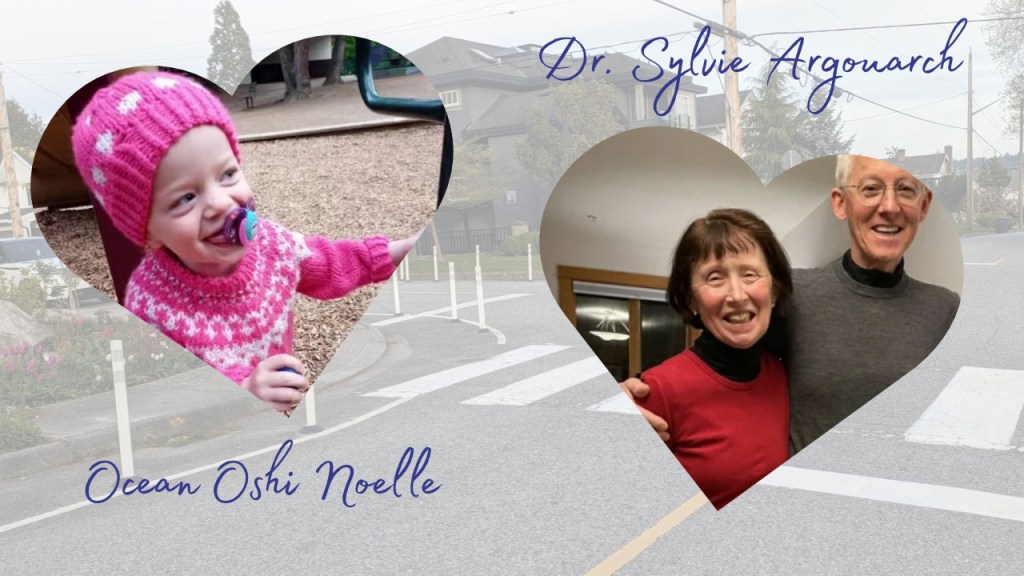
Watch the video, or read the story below.
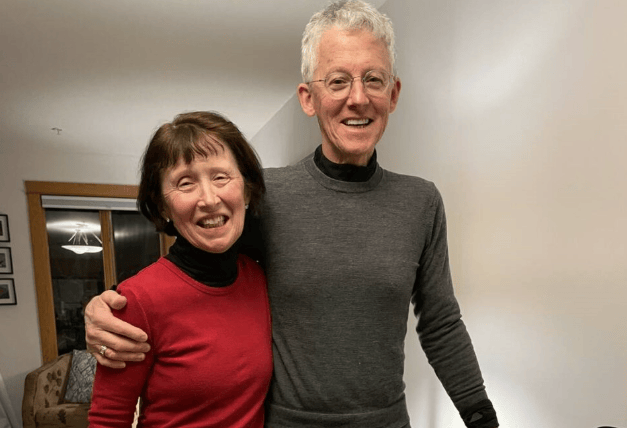
Last July, Dugan Ingram drove his GMC Sierra through a light that had been red for 6 seconds, and struck Sylvie Arguarch, a mother, a wife, and a registered doctor, who was cycling through the intersection. Sylive died in hospital five days later.
On Tuesday, the driver was sentenced to a $2,000 fine and a 2 year driving ban. The judge acknowledged that this sentence would be viewed as “grossly inadequate.”
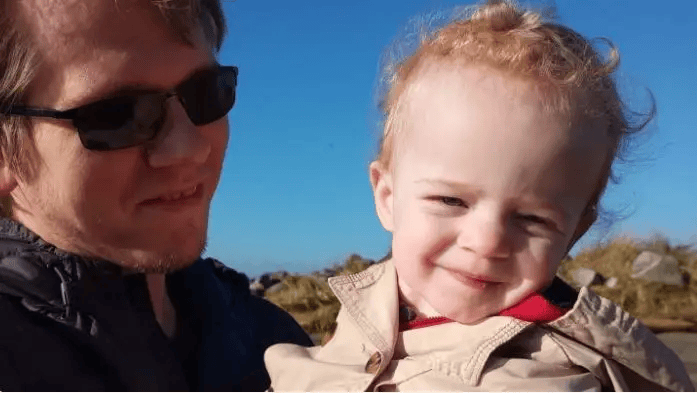
This story brought back memories of a horrific 2021 crash in Vancouver, where a driver ran a 20-second-stale red light on Hornby street and struck Michael Hiva and his 23-month-old baby, Ocean. Michael was badly injured, and Ocean was killed.
The driver was charged with dangerous driving causing death.
Going through a 20-second red is undeniably dangerous, and the death was undisputed. Yet the driver didn’t even get a $2,000 fine. He was completely acquitted.
The judge ruled that it a “momentary lapse of judgment,” while admitting the decision would be “hard for the average person to understand, given the terrible consequences.”
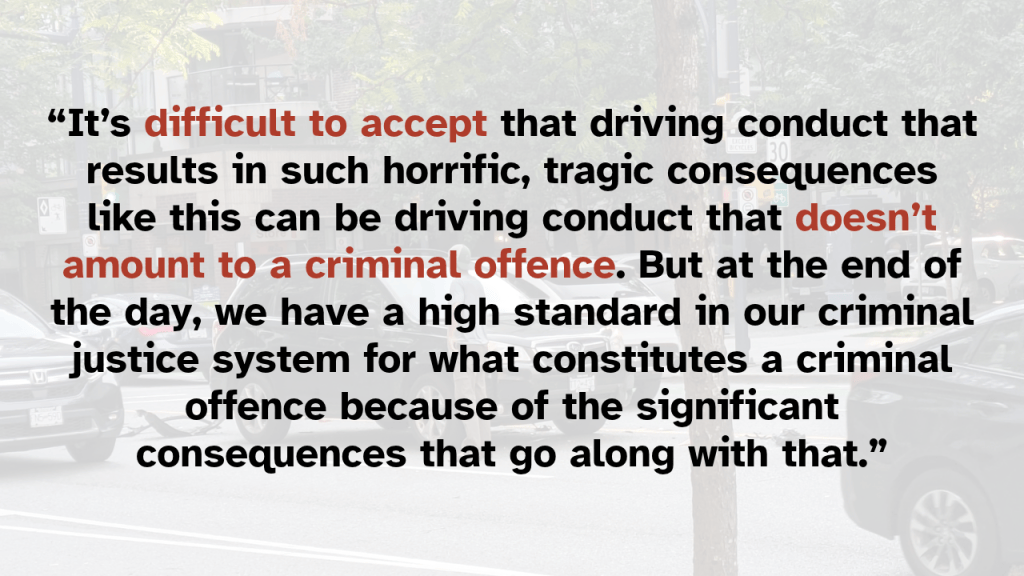
Unfortunately these aren’t rare exceptions in our judicial system; they’re the norm. In Sylvie’s case, $2,000 and a 2-year ban was the maximum penalty allowed by law. In Ocean’s case, the acquittal was upheld on appeal. (It’s now headed back to the Supreme Court of Canada).
If this makes you angry, it gets worse. Because both of these tragedies were completely preventable.
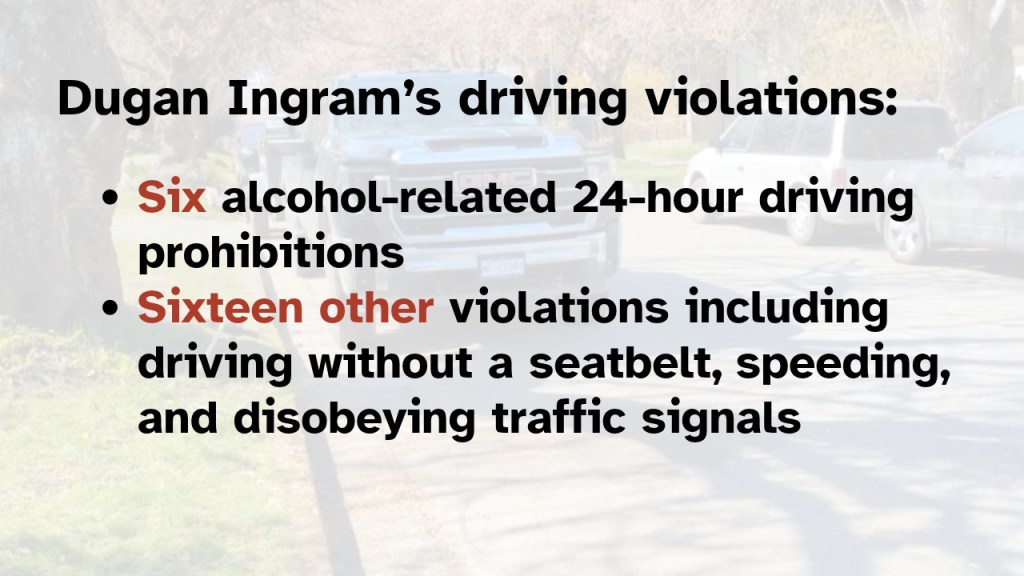
The driver who killed Sylvie had 22 prior offenses, including six alcohol-related driving prohibitions – and these are just the times that he got caught. He was a known, repeat reckless driver acting with total impunity. It was only a matter of time before he killed someone. Yet he’ll be allowed back on the road in two years.
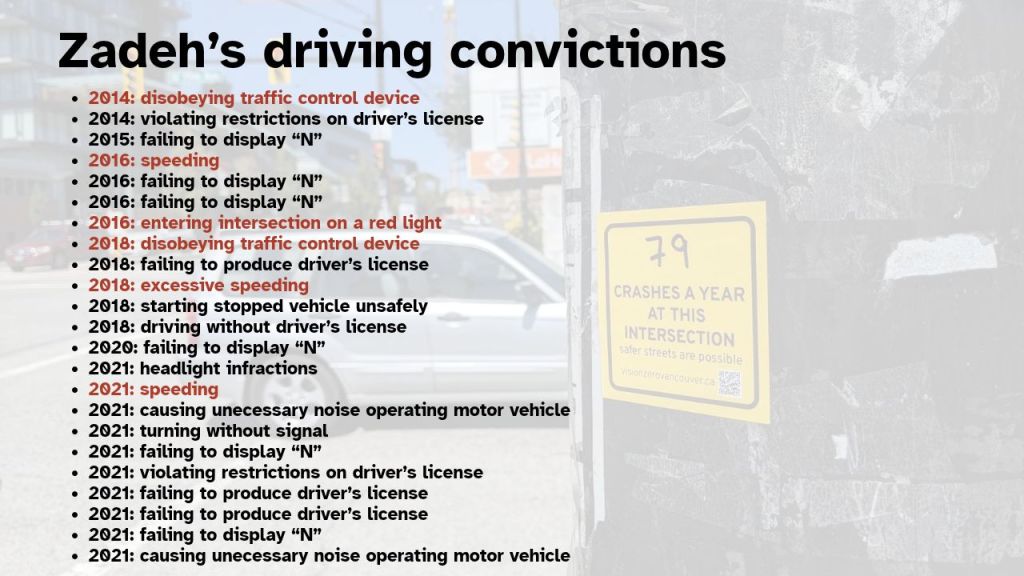
The driver who killed baby Ocean had 24 documented driving offenses in the previous 7 years, including for excessive speeding and driving through a red light. 10 of these offenses were in the same year that he killed baby Ocean. He hasn’t faced any driving prohibition at all.
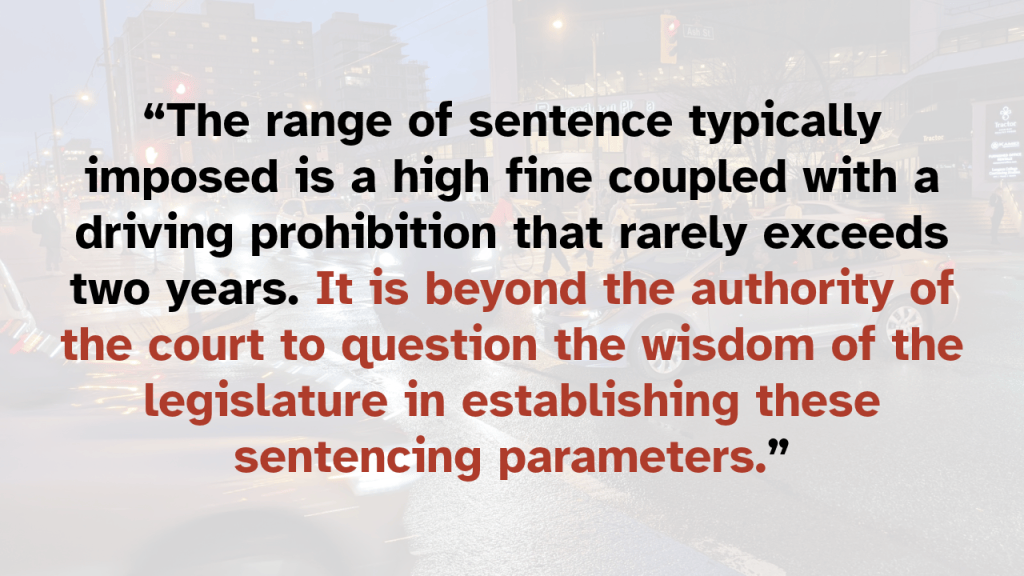
It’s easy to blame the judges, but they’re just enforcing broken laws. The first judge admitted that “It is beyond the authority of the court to question the wisdom of the legislature in establishing these sentencing parameters.”
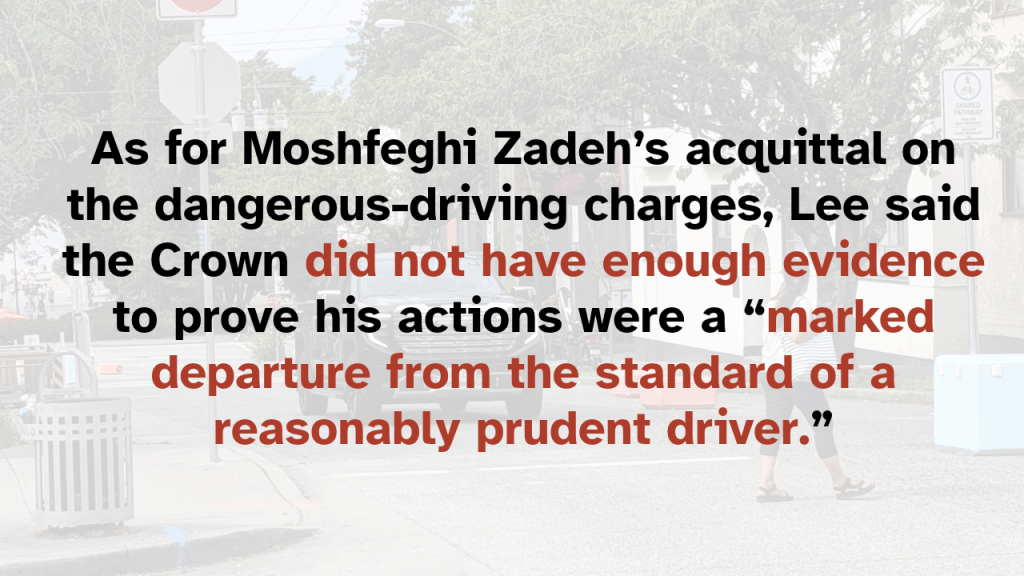
In Ocean’s case, the court wasn’t even allowed to consider the driver’s past history. As such, the Crown did not have enough evidence to prove his actions were a “marked departure from the standard of a reasonably prudent driver.”
The system is failing, and the law has to change. We’ve seen a lot of reaction online, that these drivers need to face charges for murder, that they should be behind bars for 20 years, and so on. We can debate what the right amount of jail time is for these cases, but one thing is clear: neither driver should have had a license in the first place. With dozens of serious priors, they should have lost the privilege to drive long before anyone died.
Driving is a privilege, not a right. Operating a multi-ton vehicle is the most dangerous thing most of us do daily. Getting your license is a social contract: you promise to obey the speed limits, stay sober, and follow the rules. If you repeatedly break that contract, you must lose the privilege.
There are lots of reasons why drivers get into dangerous situations. Momentary distractions from unusual events on the side of the road, a culture that is still learning not to drink and drive, thoughts stuck on difficult events in their current lives. We have always maintained that with properly designed infrastructure, momentary lapses in judgment need not be fatal to other street users.
Chronic offenders, however, create an outsized burden on everyone, requiring stronger infrastructure, stricter enforcement, not to mention the literal death and carnage they inflict upon real people and the society that must and should care for in the event of a crash. They are the reasons why we need bollards in front of buildings to protect the people inside of them instead of simpler traffic calming, why every street event now is requiring constant police presence and dump trucks. They also shift the window of what is normal. Regular drivers see unpunished egregious violations on the street and think then that they are not so bad for driving 40 km/h in a school zone or blocking a crosswalk waiting to turn.
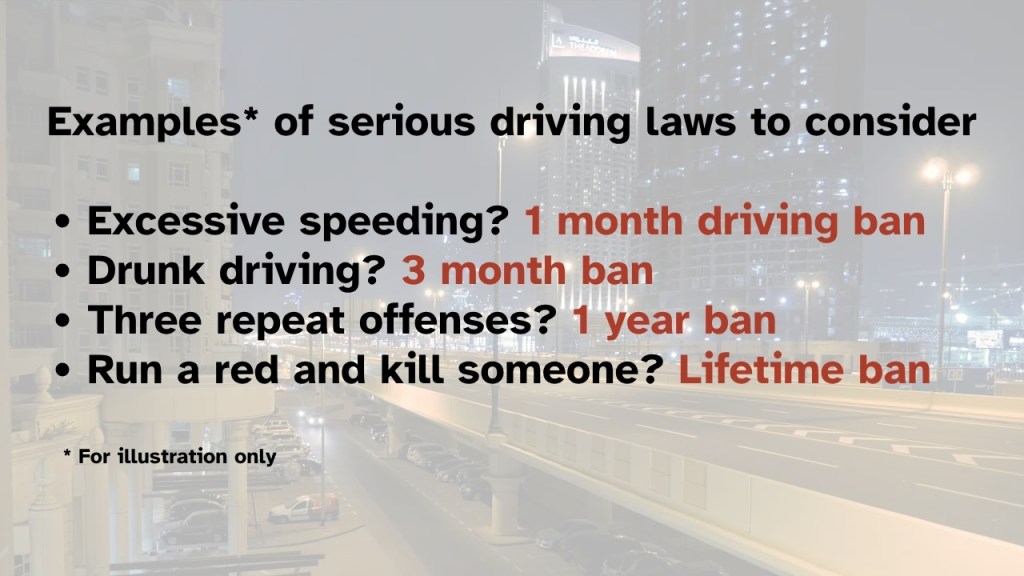
Repeat dangerous drivers need to be taken off the road; it’s not complicated. An excessive speeding violation? Give them a month driving ban. Driving drunk? Three months ban. Three serious infractions? No driving for a year. Run a red and kill someone with your car? You never get to drive again.
The defense lawyer for Sylvie’s killer argued that a driving ban would cause his client hardship. Frankly? We don’t care. The minor inconvenience to a dangerous driver isn’t in the same universe as the destruction inflicted on these families.
None of this precludes designing safer systems and safer roads. That’s ultimately still the number one goal. Drivers, even very good ones, will still make mistakes. We can design our roads so that mistakes aren’t fatal. But safe infrastructure isn’t enough for drivers who repeatedly treat the law as optional. If we took this seriously, these two beautiful people could still be with us today.